
Nobody budgets for regret. Yet every year, building owners across Kenya write cheques they never planned for. Not for renovations. Not for upgrades. For fixes. For a building that looked finished on handover day but quietly started failing the moment people moved in.
The electricity bill that arrived and made no sense. The air conditioning that worked beautifully in the boardroom and gave up entirely on the third floor. The water pressure that was fine until it wasn’t. The solar installation that generated optimism but not much electricity.
This is what poor MEP design actually costs. And the number is almost always higher than anyone expected.
The Bill You Pay Every Month
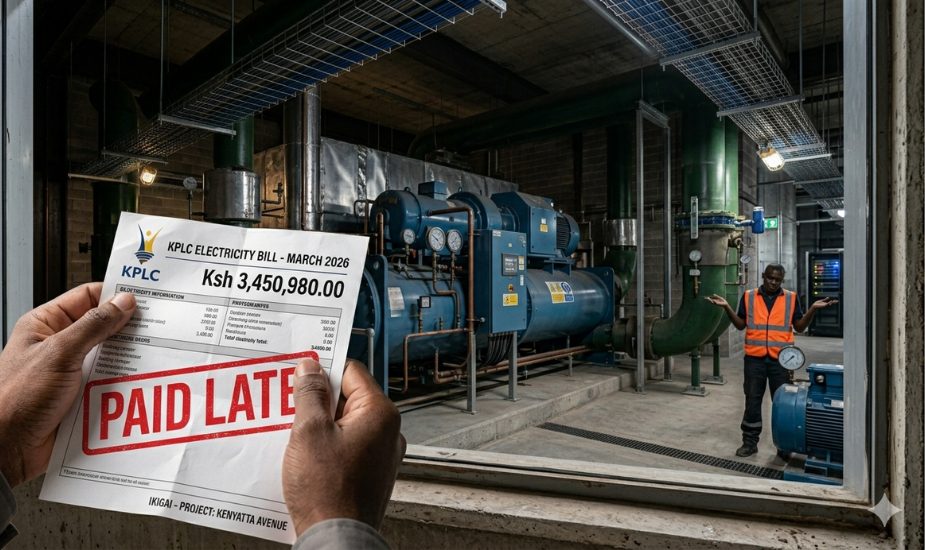
Here’s something most building owners discover too late. A badly designed HVAC system doesn’t just underperform. It overcharges you. Every single month. For years.
When mechanical systems are oversized, which happens when load calculations are skimped on or skipped entirely, they run inefficiently, consume more energy than necessary and wear out faster. The result is an electricity bill that’s permanently inflated and a maintenance schedule that arrives sooner than it should.
Multiply that by 12 months. Then by 10 years. Suddenly, the “cost saving” of cutting corners on MEP design doesn’t look like a saving at all. It looks like a very expensive mistake made once, paid for indefinitely.
Bad MEP design isn’t a one-time cost. It’s a subscription you never signed up for.
The Retofit Tax
Poor coordination during design has a way of revealing itself during construction, usually at the worst possible moment.
Ductwork that doesn’t fit the ceiling void. Pipework clashing with structural beams. Electrical containment running through spaces that were never designed to accommodate it. Each of these conflicts costs money to resolve on-site. Real money. The kind that wasn’t in the budget and doesn’t appear in the original contract.
And if those conflicts are missed during construction? They show up later as performance failures. Systems that don’t work as designed, occupants who complain, and retrofits that cost three times what getting it right would have cost in the first place.
The Safety Bill Nobody Talks About
Some costs aren’t measured in shillings. They’re measured in risk.
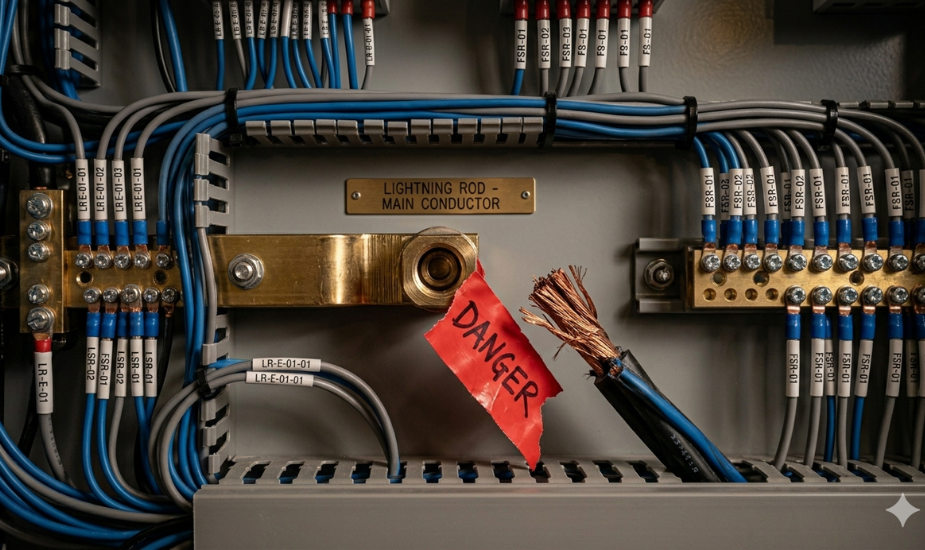
A fire suppression system designed as an afterthought, installed to satisfy a sign-off rather than genuinely protect a building, is not a fire suppression system. It’s paperwork. The same goes for electrical installations that don’t meet code, medical gas systems in hospitals that weren’t rigorously designed, or lightning protection that exists on paper but not in practice.
The cost of these failures isn’t on any balance sheet. Until it is.
❝The most expensive building problem is the one nobody saw coming, because nobody looked.❞
What Good MEP Design Actually Costs
Here’s the truth: proper MEP engineering costs less than poor MEP engineering. It just costs less over time, which is a harder thing to see on a project budget.
Getting MEP right from day one means systems sized correctly, coordinated properly, installed to standard and commissioned thoroughly. It means a building that runs efficiently from the first month, not one that runs expensively while everyone works out what went wrong.
At IKIGAI MEP, this is precisely why we insist on early engagement. Because the best time to avoid the hidden costs of poor MEP design is before the design is done. The second-best time is right now.
